Understanding Perimenopause Body Changes: When Your Body Feels Like a Stranger
From drowning in chaos to becoming the lighthouse—how one woman's journey through perimenopause created a revolution in understanding and support.
12 minute read · Personal story meets evidence-based insight
On this page
Have you ever felt like you woke up in someone else’s body? One day everything you knew about how your body works just stops making sense. These body changes during perimenopause can leave you feeling disconnected from yourself During perimenopause, it’s not only your hormones that feel unfamiliar — it’s your whole experience of yourself. Your body feels foreign, unpredictable, and completely out of sync.
I’m Catharine Adams, and over the years I’ve watched hundreds of women ask the same terrifying question: “What is happening to me?” It’s not just physical changes — the confusion runs deep into how you think, feel, and see yourself.
The Stranger in the Mirror: When Your Body Feels Different During Perimenopause
Imagine looking in the mirror at 43, 45, even 48. You’ve spent decades learning your body — what helps you sleep, what keeps your energy steady, what food works for you. You know your patterns, your rhythms, and your limits.
Then suddenly, everything changes — and nothing seems to work anymore. The same routines that once made you feel balanced now leave you exhausted or anxious. These are the body changes of perimenopause that so many women aren’t prepared for, and yet they affect nearly every part of daily life.
Have you ever felt like you woke up in someone else's body? Seriously—overnight, every single rule you knew about how your body works just stopped making sense. When perimenopause hits, it's not just your hormones that feel completely foreign. It's literally everything. Absolutely everything.
I'm Catharine Adams, and several years ago I was watching hundreds of women drowning in the same absolutely terrifying question: "What the hell is happening to me?" And I'm not just talking physically here. I mean mentally, emotionally, spiritually.
The Stranger in the Mirror: When Your Body Becomes a Stranger
Picture this for a second. You're 43. Maybe 45. Could be 48. You've figured out your body by now, right? You know what makes you gain weight, what helps you sleep, and how much coffee you can handle before you're vibrating.
Then suddenly, nothing works anymore. And I mean nothing.
The Rules That Stopped Working
That morning routine that gave you energy? Now it leaves you exhausted by 10 AM.
The diet that kept you steady? Suddenly you're gaining weight just looking at food.
The sleep schedule that worked for years? Now you're wide awake at 3 AM, heart racing, drenched in sweat.
Your body has become a stranger—and nobody warned you this was coming.
The Moment When Everything Stops Making Sense
You've spent decades learning your body's language. You know its rhythms, its preferences, its quirks. You've built a relationship with it based on trust and understanding.
And then perimenopause arrives like an unwelcome guest who rearranges all your furniture in the middle of the night.
Suddenly:
- Your metabolism feels like it's shut down completely
- Your sleep patterns are completely unpredictable
- Your mood swings from rage to tears without warning
- Your brain fog makes you forget why you walked into a room
- Your energy crashes at random times throughout the day
- Your body temperature regulation feels completely broken
When your body becomes a stranger during perimenopause, it's not just physical changes you're dealing with—it's the loss of the relationship you had with yourself.
The Medical Dismissal Cycle: When Your Body Becomes a Stranger to Your Doctor Too
So you go to your doctor, they run a bunch of tests, and they look at you with this straight face and say, "everything's normal."
You feel like a fool. And it's just another sign you're being dismissed.
"Your labs are fine. Maybe you're just stressed. Have you tried yoga?"
Meanwhile, you're scrolling through Instagram and there are literally 47 different solutions being thrown at you. And guess what? They're all contradicting each other.
Your friend swears by these supplements that make you feel worse than before you started. Your mother just shrugs and says, "welcome to menopause"—like she's handing you a prison sentence and disregarding how truly disorienting all this is.
And there you are, sitting at 3 AM, wide awake again, thinking, "Am I actually losing my mind here?"
You're Not Losing Your Mind
Let me be crystal clear: You're not losing your mind.
You're in perimenopause and everything you're feeling right now—the panic, the rage, that weird grief that comes out of nowhere, the total confusion—it's all real. It's all completely valid. And there absolutely is a way through this.
The Truth About "Normal" Labs
Your hormone levels can be fluctuating wildly day to day, even hour to hour. A single blood test captures one moment in time—it doesn't show the chaos your body is experiencing.
This is why so many women feel dismissed when their labs come back "normal" but their bodies feel anything but normal.
The Identity Crisis Nobody Prepared You For: When Your Body Becomes a Stranger to Yourself
Here's what nobody tells you about perimenopause. And I wish someone had told me this years ago.
It's not just a medical event that you power through. It's an identity crisis. It's information overload on steroids. It's this spiritual reckoning with aging that nobody prepared us for.
It's honestly everything hitting you at once:
- Physical: Your body doesn't respond the way it used to
- Mental: Your brain feels foggy and unreliable
- Emotional: Your feelings are intense and unpredictable
- Social: You feel isolated because nobody talks about this
- Spiritual: You're questioning who you are and who you're becoming
When your body becomes a stranger during perimenopause, you're not just losing familiarity with your physical self—you're losing your sense of identity.
My Whole Life Had Been Preparing Me
This is going to sound weird, but my whole life had been preparing me for exactly this kind of complexity.
Those 20 years I spent teaching piano taught me that when everything feels overwhelming, you go back to one note. Just one. You don't try to play the entire sonata when your hands are shaking.
The Education That Changed Everything
Owning that supplement store showed me how the wellness industry absolutely preys on desperation, but it also taught me how to spot real science versus marketing fluff.
Coaching hundreds of women taught me that transformation isn't about following perfect plans that someone else created. It's about finding your way with your life, your schedule, your reality.
Getting mindset certifications revealed why the mental chaos is often so much worse than the physical symptoms. Because when your brain doesn't recognize your body anymore, everything feels scary.
Living through my own perimenopause while being completely dismissed by well-meaning doctors taught me that sometimes we have to become our own experts.
Becoming the Lighthouse: When Your Body Becomes a Stranger, You Need a Guide
The Real Problem: Missing Context
It wasn't that doctors were evil or trying to hurt us. Most of them genuinely want to help. They're just often seriously undertrained when it comes to menopause. Like shockingly undertrained.
And it wasn't that all the advice floating around out there was completely wrong. It's that every single piece of advice lacked context.
What works amazingly for your best friend might make you feel worse. What worked for you five years ago might not work now.
The Missing Lighthouse
There was no lighthouse. No steady voice saying, "Here's how to find what works for your body, your life, your specific journey."
Women didn't need another expert standing on a pedestal telling them what to do. They needed someone to help them tune back into their own wisdom, which gets really, really hard to hear when your body feels like a complete stranger and every expert on the internet is shouting different advice at you.
Becoming the Translator
So I dove deep. And when I say deep, I mean deep.
I became a translator:
- Between complex research and real life
- Between your body's new language and your confused brain
- Between all the chaos outside and the wisdom that's still inside you
- Between where you are right now and where you actually want to be
What Women Actually Need: When Your Body Becomes a Stranger, Here's Your Path Forward
The Meno Collective wasn't born from anger at the system, although trust me, there were definitely some angry moments. It was born from this recognition that I kept seeing over and over again:
Women in Perimenopause Don't Need More Information
They're drowning in information. They need curation.
They don't need shame about being overwhelmed. They need validation that this is genuinely overwhelming.
They don't need perfect protocols that work for everyone. They need personalization for their actual life.
They don't need a chat box pretending to care. They need a true friend.
They don't need another guru promising miracles. They need a guide who's walked this path.
They don't need a cupboard of supplements. They need a community that's been there too.
The Meno Collective exists to be your lighthouse—not to tell you exactly where to go, because that's not my job, but to help you see clearly enough to find your way.
When Your Body Becomes a Stranger: You Don't Have to Navigate This Alone
If you're reading this and thinking, "This is exactly what I'm going through"—you're not alone.
If your body has become a stranger and you're tired of being dismissed, overwhelmed, and confused—there's a better way.
You don't need to figure this out by yourself. You don't need to suffer in silence. You don't need to accept that "this is just how it is now."
You deserve support, understanding, and a clear path forward.
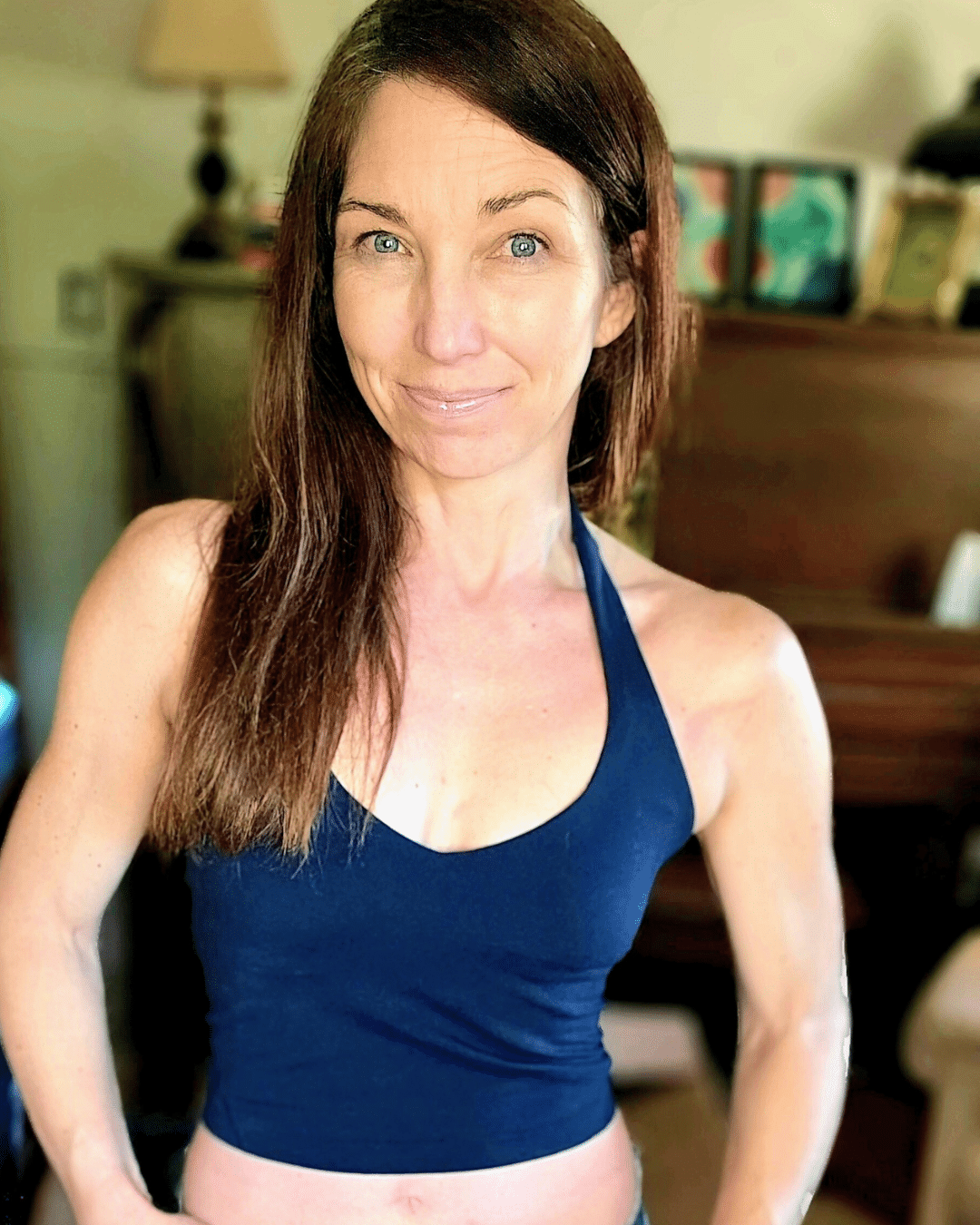
"Perimenopause isn't your decline—it's your awakening. Let's navigate it together with science, strategy, and fierce love."

Curious About Your Perimenopause Patterns? Take the Free Quiz
As a coach, I created this 3-minute tool to help women like you gain educational clarity on symptoms like 2 a.m. wake-ups. It identifies possible stages and hormone-related patterns, delivering general next steps to your inbox—100% private and evidence-informed.
Take the Quiz Now →✓ Explore your stage | ✓ Understand common patterns | ✓ Get educational insights | Always consult your healthcare provider